In the early decades of the Free State, music and dancing were never just “a bit of craic” — they could be read as politics, morality, modernity, and power, all happening under one roof. Few stories show that more sharply than the life of Leitrim activist James “Jimmy” Gralton and the introduction of the Public Dance Halls Act, 1935, the law that brought public dancing under a strict licensing system. A license that is still in place today …
Who was Jimmy Gralton?
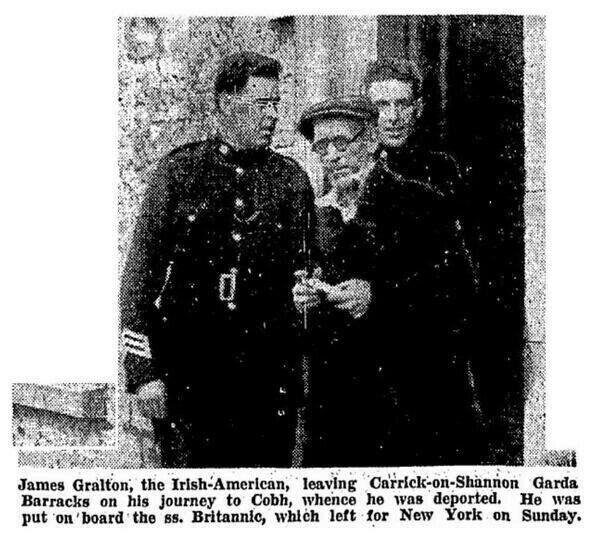
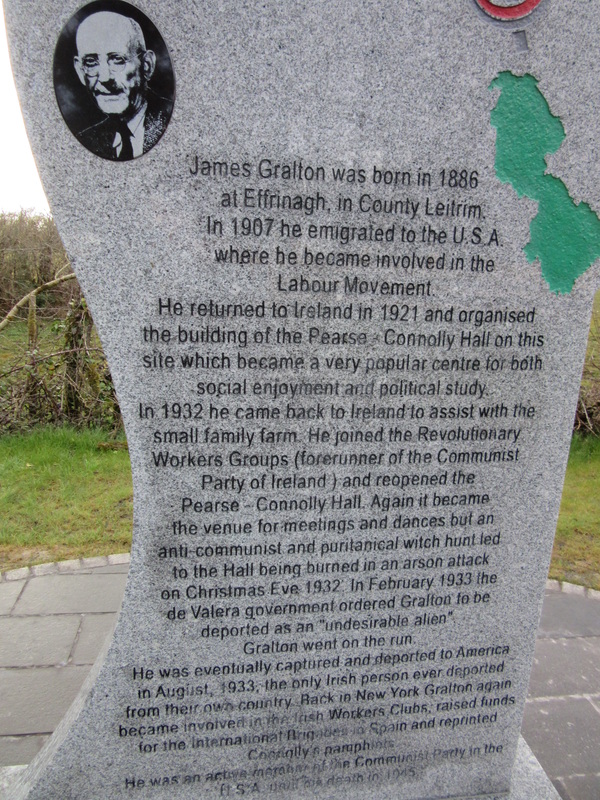
Jimmy Gralton (1886–1945) was born in Effrinagh, near Drumsna, County Leitrim. He emigrated to the United States, became politically active, and later returned home. He is remembered today as an organiser, a community-builder, and—most strikingly—the only person deported from independent Ireland.
Pearse–Connolly Hall: a community space that became a battleground
Gralton helped establish Pearse–Connolly Hall on his own land with local help. It became a lively hub for music, dance, education, discussion, and community gatherings in the 1920s/30s— the kind of place where rural life could feel bigger, brighter, and connected to the wider world.
But that same openness drew fierce opposition. The hall became caught up in tensions of the time: class conflict, political suspicion, and church influence over social life. It was attacked and, according to accounts of the hall’s history, burned in 1932.
In 1933, Gralton was targeted by the state and classified as an “undesirable alien” (he had U.S. citizenship). After a period in hiding, he was captured and deported from Cobh to the United States, where he spent the rest of his life.
His deportation — and the fear and controversy surrounding social spaces like “the hall” — became part of a bigger national story about who controlled public recreation, and on what terms.
The Public Dance Halls Act, 1935: what it changed
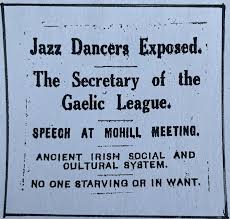
Two years after Gralton’s deportation, and following continued efforts from various sources especially the Catholic Church, which led to a huge Anti Jazz rally in Mohill on New Year’s Day 1934, the Public Dance Halls Act, 1935 put public dancing under formal state regulation. In plain terms, it:
required a licence to hold public dancing in a place used as a dance hall,
created systems for control and supervision of those venues,
and placed decisions in the hands of authorities (including the courts) about whether a dance could be permitted.
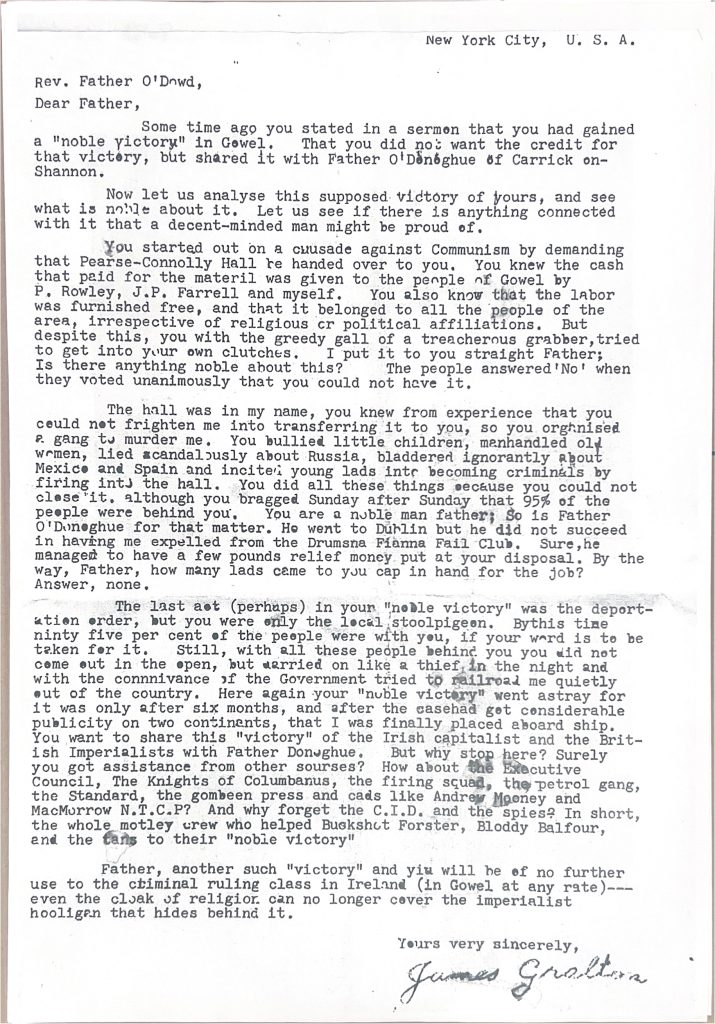
Letter from Jimmy Gralton to F. O' Dowd, Gowel - from local studies archive, Ballinamore
Why it matters to local history and tradition
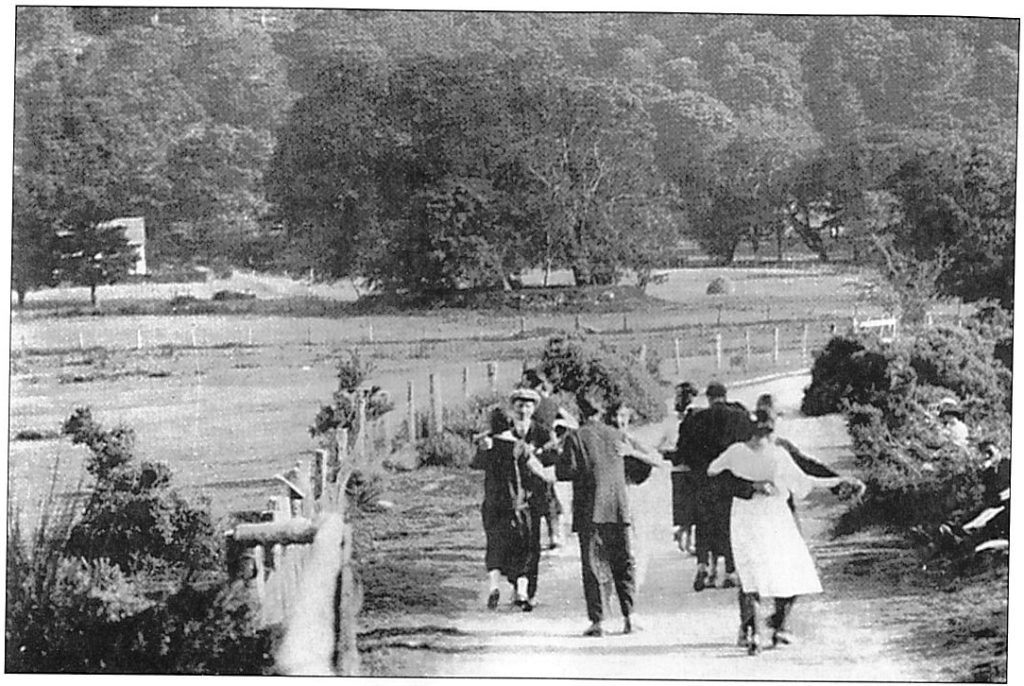
For rural communities, a dance was never only entertainment. Dance halls (and the informal dances that predated them) were where:
new tunes and steps travelled,
fashions and courting rituals changed,
bands found work and reputations,
and community power dynamics showed themselves clearly.
Licensing didn’t just regulate buildings — it helped shape what kinds of social life were “allowed” to flourish.
Leitrim context: halls, music, modernity
Leitrim has its own vivid dance-hall heritage, including places remembered locally as controversial, beloved, or both. National commentary on the era often points to strong church-led campaigning for regulation, and Leitrim venues feature in that wider story.
Today, Gralton’s memory is marked at Effrinagh — including a monument on the site associated with the hall, unveiled in 2016 and a local campaign to rebuild the hall.
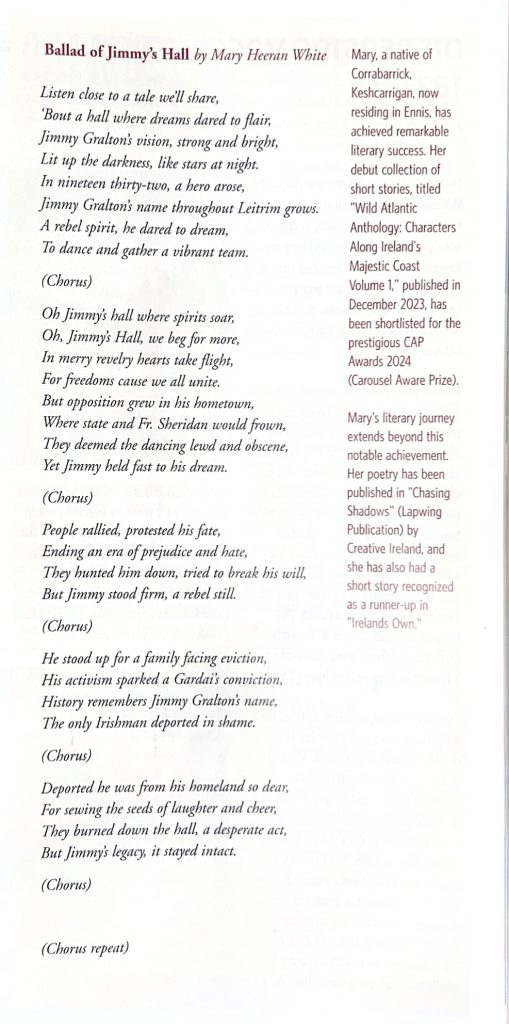
He is also remembered through various dance events, songs and his story also reached new audiences through Ken Loach’s film “Jimmy’s Hall”
“The Lonely Lanes of Leitrim” inspired by Jimmy Gralton, written and performed by Leitrim singer/songwriter, Mick Blake.
And other songwriters have also been inspired by Jimmy’s story, including Eurovision star, Charlie McGettigan.
Ballad of Jimmy's Hall written by Keshcarrigan native Mary Heeran White
Leitrim Guardian 2025
New Year’s Day 2024 Commemorating Mohill’s Anti-Jazz march of 1 Jan 1934.
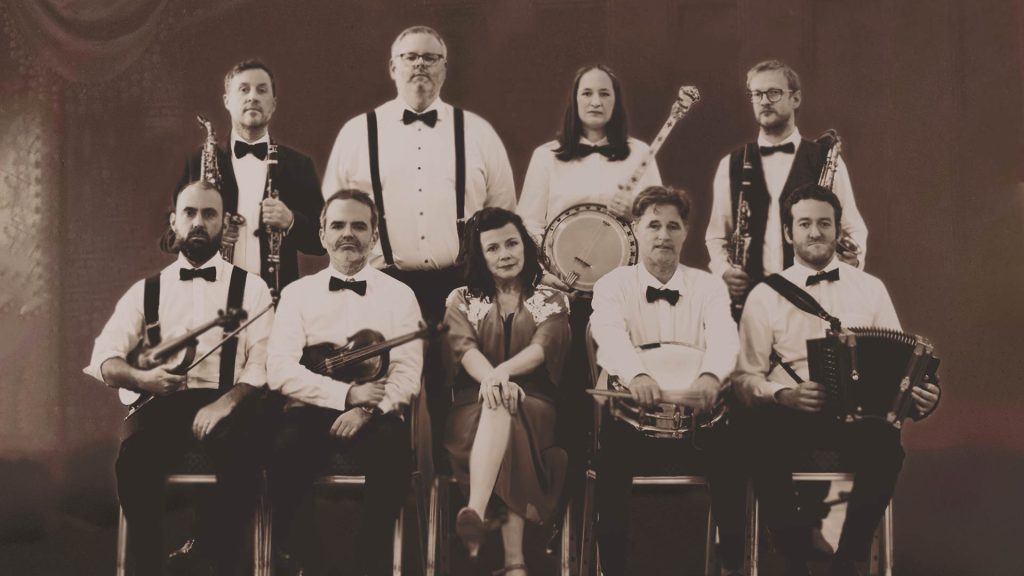
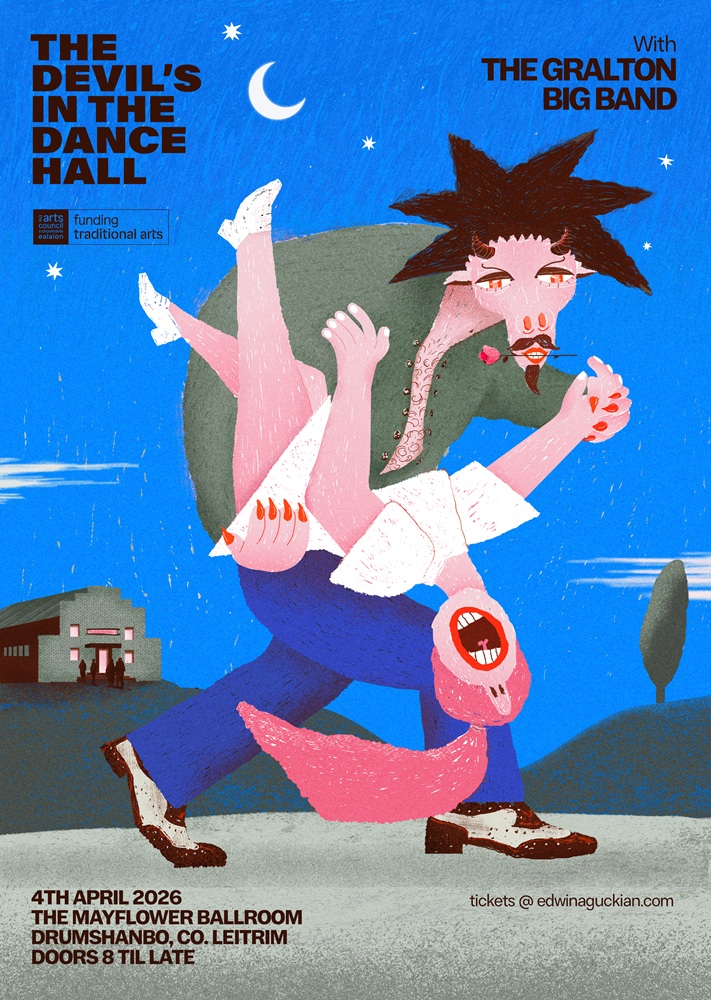
The Gralton Big Band
The Gralton Big Band is an Irish ensemble performing 1930s-style “old-time céilí swing” mixed with jazz, designed for dancing and inspired by the history of Jimmy Gralton. Led by dancer Edwina Guckian, the band features musicians like Cathy Jordan, Ryan Molloy, and Stephen Doherty, touring rural Irish dance halls with a show evoking 1930s social, musical, and political rebellion.