Sweet Mohill for Me
“Through famed County Leitrim, I’ve travelled for sights / Its valleys so deep and its great mountain heights / No spot in the county, my longings could win / Like the fair town of Mohill on the shores of Lough Rinn.”
So sang Mohill balladeer Mae Reynolds Malone in her tribute Sweet Mohill for Me, recorded by Seamus Ennis for the BBC in 1954. The ballad praises the views over Mohill, the castle at Lough Rynn, the cinema and the three grand hotels that once stood in the town. Songs like this one, and many others from the Mohill area, serve as informal historical records – charting events from the building of the chapel and St. Patrick’s Day celebrations to tales of Lord Leitrim, the Narrow Gauge railway, and everyday local happenings.
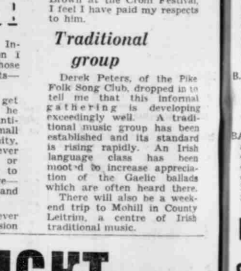
At times, the very air of Mohill seems alive with echoes of its musical past – pipers at the train station, fiddlers at the fireside, and singers lifting their voices at concerts, markets, and fairs. Even The Belfast News Letter noted in February 1966 that Mohill was “a centre of Irish traditional music,” after reporting on a visit from the Pike Folk Song Group.
O’Carolan’s Mohill
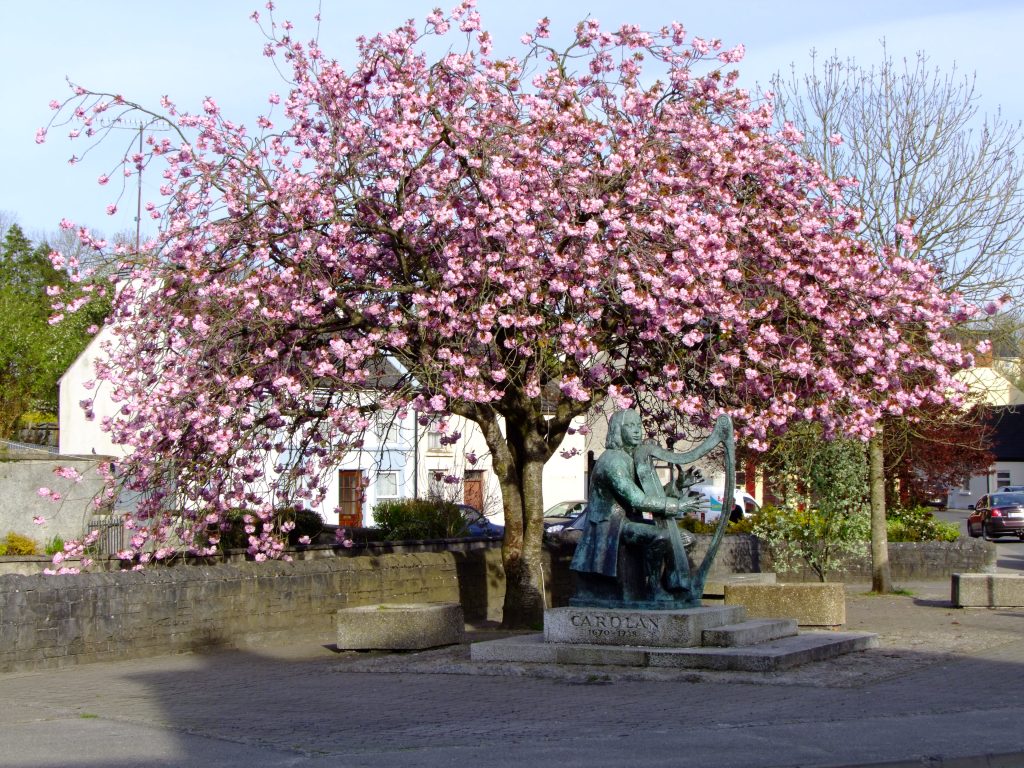
The story of Mohill’s music begins with none other than Ireland’s most celebrated harper, Turlough O’Carolan. He spent his married life in Mohill, having first come to know the area through the Crofton family of Mohill Castle. Local evidence suggests that he composed Caitlín Tríall (Kitty Tyrell of Lough Erril) for a lady by the lake outside the town. What we do know for certain is that his haunting Lament for Máire was written in sorrow for his wife, Mary Maguire, with whom he reared a family in Mohill up until her death in 1733.
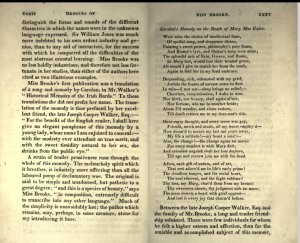
Though only a handful of his tunes were written down during his lifetime, later collectors such as Edward Bunting preserved O’Carolan’s music. Thanks to their efforts – and the musicians who kept the tunes alive through famine, emigration and upheaval – Mohill still resonates with his melodies today.
A Hotbed of Musicians
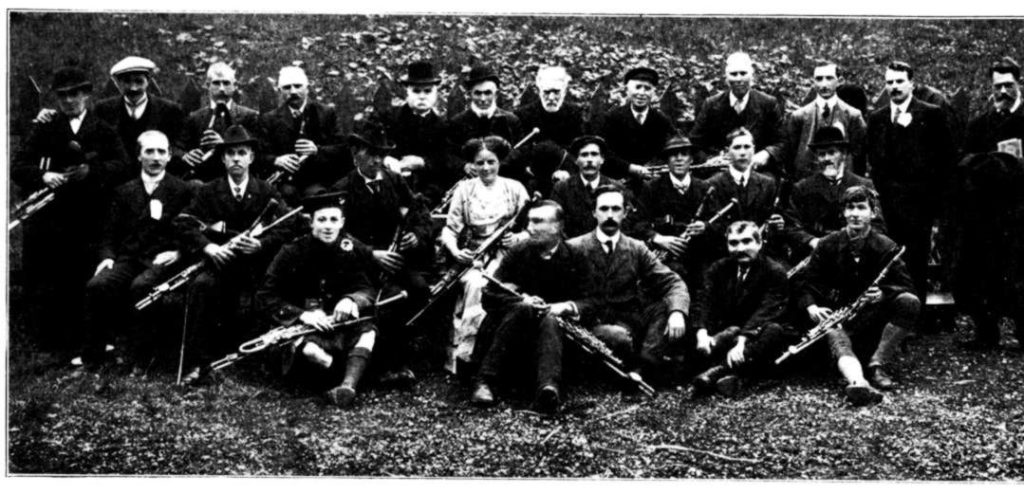
By the early 1900s, Mohill had become a crucible of music. Pipers McGuinness and Mulvey, fiddlers Tommy McCaffrey and Michael Whelan, and later names such as Pee Fitzpatrick, Jack Conboy, Tom Mulligan, Tommy Hackett, Willie Higgins and Sonny King, all pepper the oral record. Under the eye of Fr. Conefrey and the Gaelic League, traditional music flourished during the 1930s, boosted by visits from giants like Leo Rowsome, Denis Cox, and Felix and Johnny Doran.
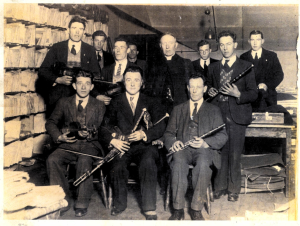
One of Mohill’s brightest talents, piper William Mulvey, was a multiple prize-winner at the prestigious Feis Ceoil. His skills brought him to major stages alongside cultural icons. At one concert in Mohill, he was billed ahead of none other than Percy French.
Percy French and William MulveyBL_0001869_19111012_049_0002 (1)
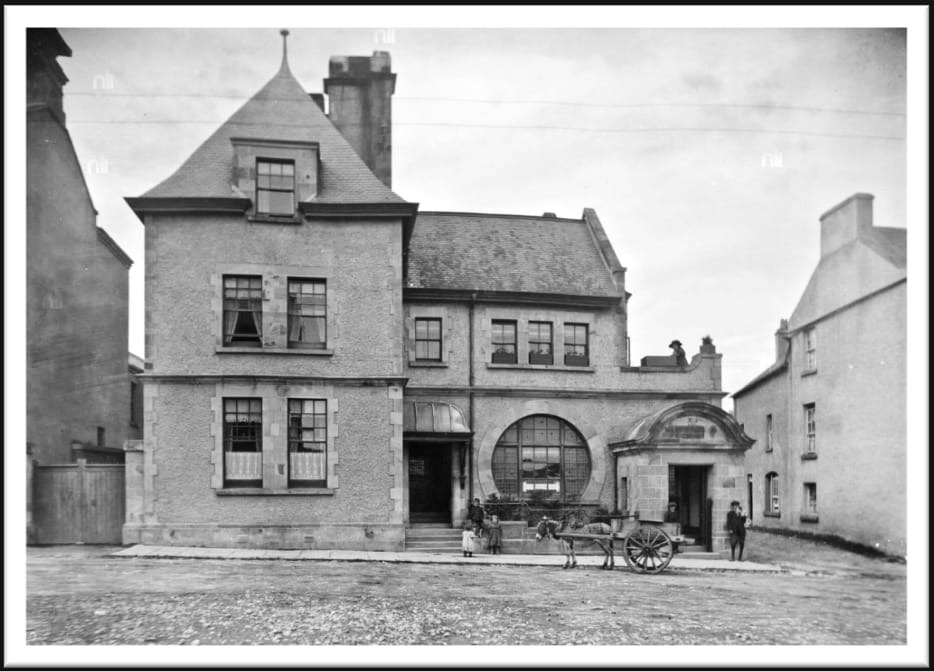
The Leitrim Advertiser of October 12th, 1911, recalls French’s second visit to Mohill where he played to “a large and fashionable audience at the Canon Donohoe Memorial Hall.” The paper noted that “The people of Mohill and district are just the class to keenly appreciate a high-class entertainer… His singing and jokes are full of refinement and culture, his recitals humorous in the extreme.” Before French took the stage, “Mr. William Mulvey… played a very appreciative selection of Irish airs on the bagpipes, for which he was highly applauded.”
Families of Song
Beyond famous visitors, Mohill has been shaped by its own voices. Tom Moran and the Morans of Drumrahill and the Dunleavy family – Gerry, Josie, and Dermot – left a deep imprint. Josie, a classically trained singer and pianist, featured in many 1930s radio broadcasts before her untimely death.
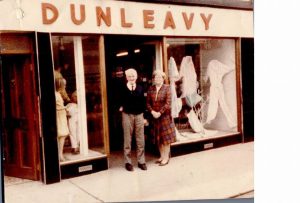
Listen to Gerry Dunleavy singing local song “Billy O’ Rourke”, as recorded by American Folk-song scholar and collector D.K. Wilgus, in Mohill. Co. Leitrim in the late 60s. This song appeared on a few ballad broadsheets but was also resurrected and printed in the local paper by Fr. Peter Conefrey during the 1930s as part of his strenuous mission to promote Irish music, song and dance.
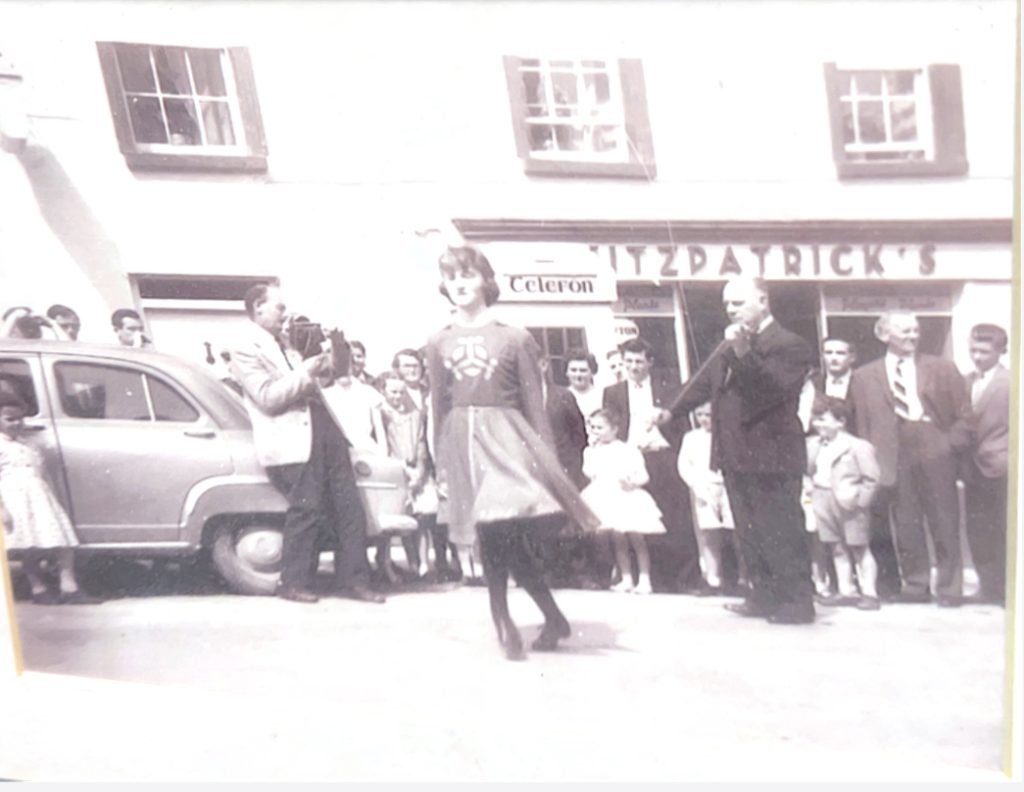
Music also travelled outward. In 1929, Nan Fitzpatrick emigrated to America carrying songs from home. Coming from a musical family, she was among the first Irish women to be recorded in the 1920s and ’30s. Her brothers Pee and Phil Fitzpatrick were also notable – Pee as a fiddler and founder of The Céilí House establishment in Mohill, and Phil as the writer of the anthem Lovely Leitrim.
The Narrow Gauge
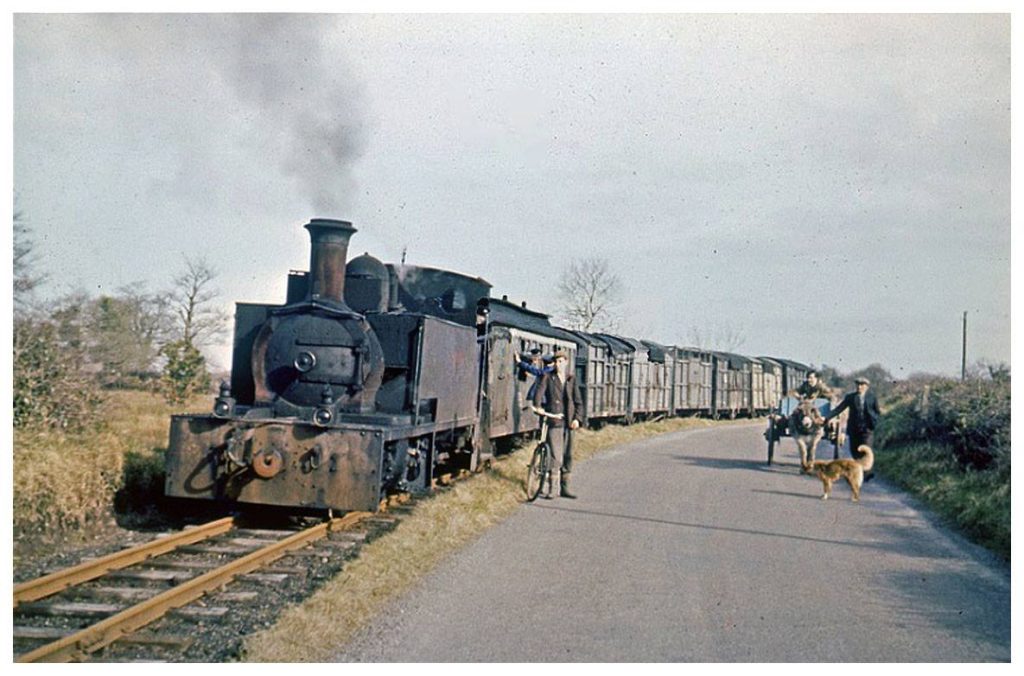
Music, trade and emigration alike relied on Mohill’s narrow-gauge railway, which became the town’s lifeline. Local songwriter Phil McGoohan of Aughoo immortalised it in verse:
“Ye jovial tourists who seek the purest and grandest scenery in the land,
Pray pay attention whilst here I mention a mode of travelling which will suit you grand.
It’s not the motor I’m going to vote for nor the premier cycle, though all the rage
But my advice is whate’er the price is, go buy a ticket on the Narrow Gauge.
Just travel by it, it will take you quiet, the best of company you’re sure to meet,
Of donkey dealers and fowl retailers from Church Lane, Ceannaboe and Chapel Street.
Now grand Directors, and Line Inspectors, and local Pressmen so cute and sage,
All travel gratis-whatever that is, while others stump up on the Narrow Gauge.”
The playful lyrics capture both the bustle of daily travel and the class divisions of the time.
Appeals for Irish Music
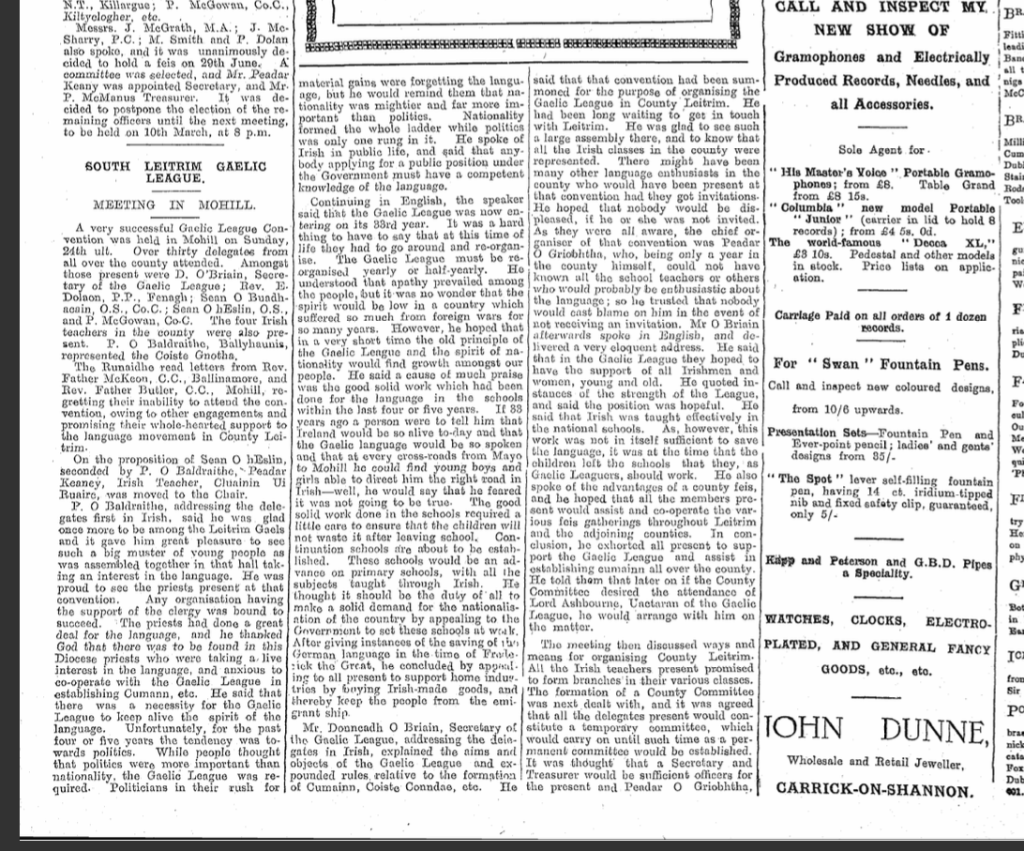
From the 1880s onwards there were many appeals from various quarters to encourage and support Irish music, song and dance, as well as the Irish language.
For many, it was “make or break time” when it came to Irish culture. Various organisations were founded, such as Conradh na Gaeilge and Cumann na Gaedheal and of course, the G.A.A.
Douglas Hyde, the first President of Ireland was a key figure in the Gaelic Revival, being a co-founder of Conradh na Gaeilge. Hyde had strong links with Mohill – his grandfather, Rev. Arthur Hyde was rector in Mohill and the Hyde family lived in Mohill, with the young Douglas Hyde being a regular visitor.
Modern Transformations
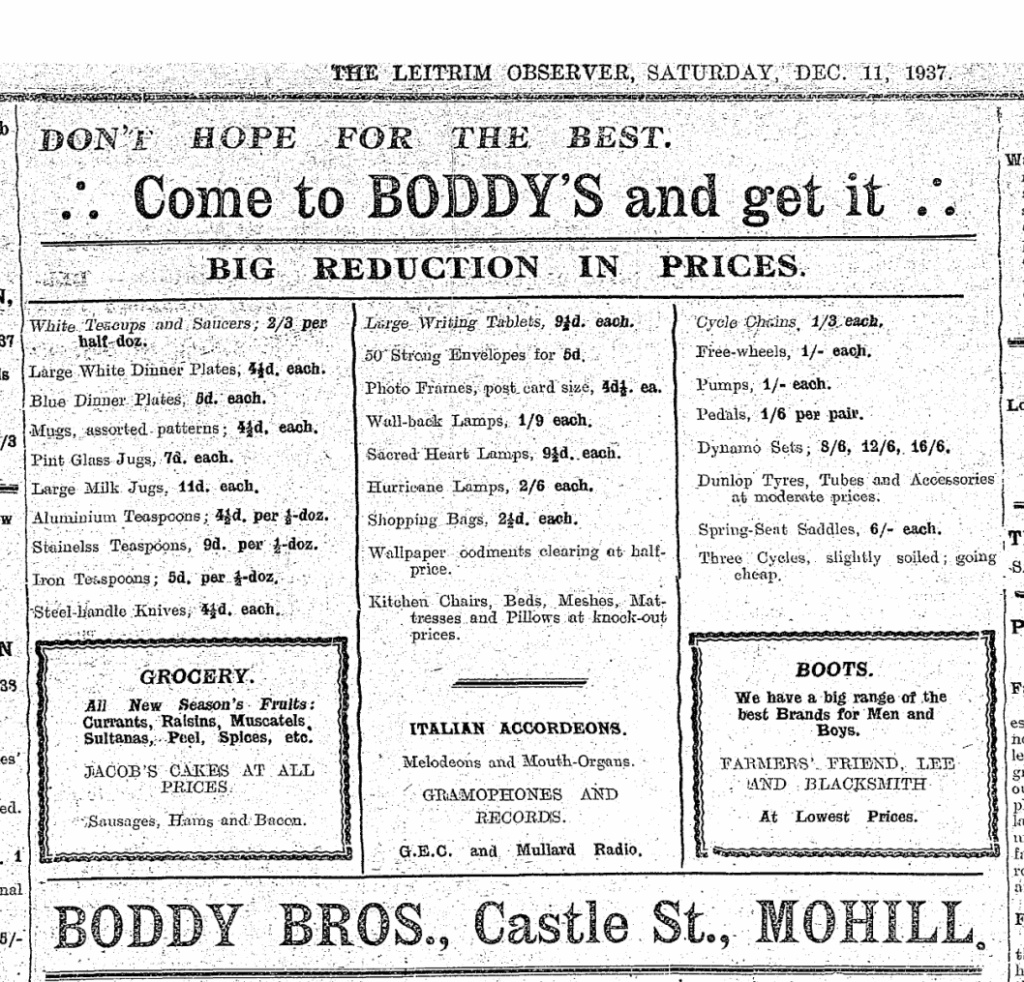
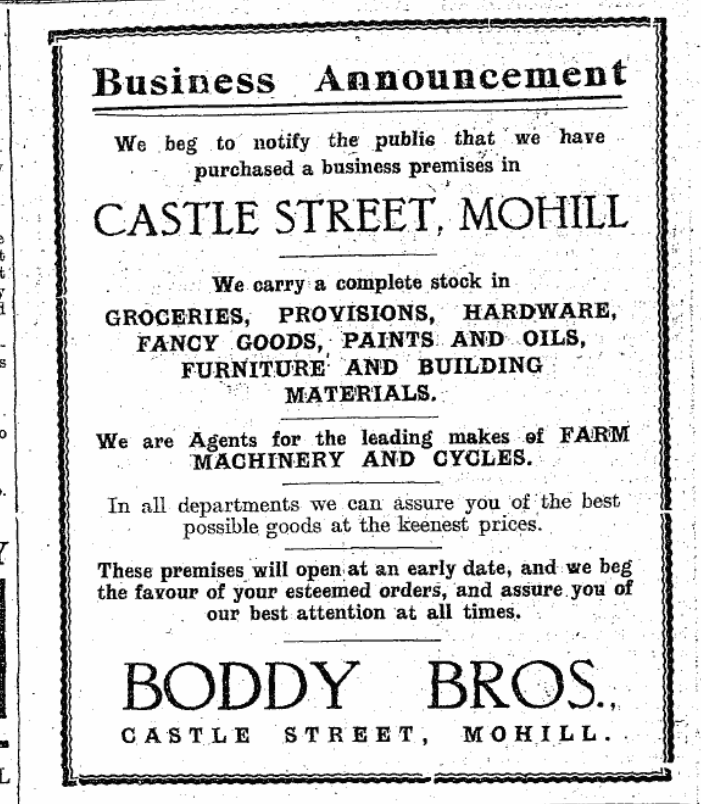
The arrival of gramophones and radios in the 1920s and ’30s reshaped what people sang and heard. Shops like Quinn’s, Bradshaw & Clarke’s, O’Malley’s and Boddy’s stocked records and instruments alongside household goods. Yet not all welcomed modern sounds. The 1934 Public Dance Halls Bill leading to the Public Dance Halls Act of 1935 – strongly supported by Fr. Peter Conefrey of Mohill – sought to curb house dances and “unruly gatherings.” Conefrey, however, also worked tirelessly to preserve tradition: he founded the Cloone Céilí Band, which played on RTÉ in 1935, revived old skills like weaving and boxty-making, and published a series of old ballads in The Leitrim Observer.
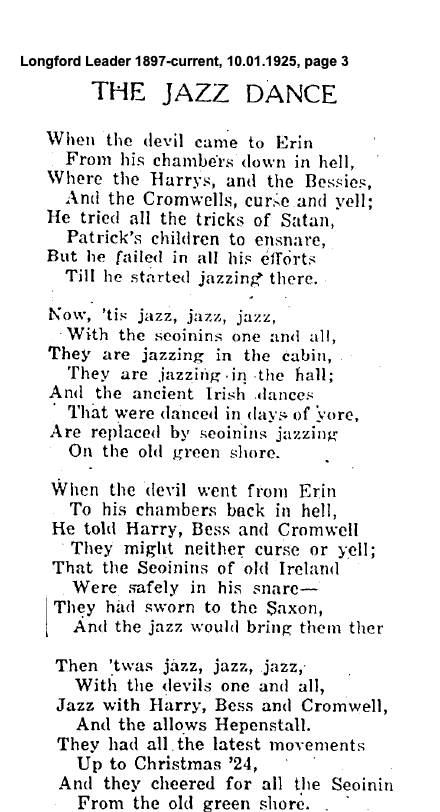
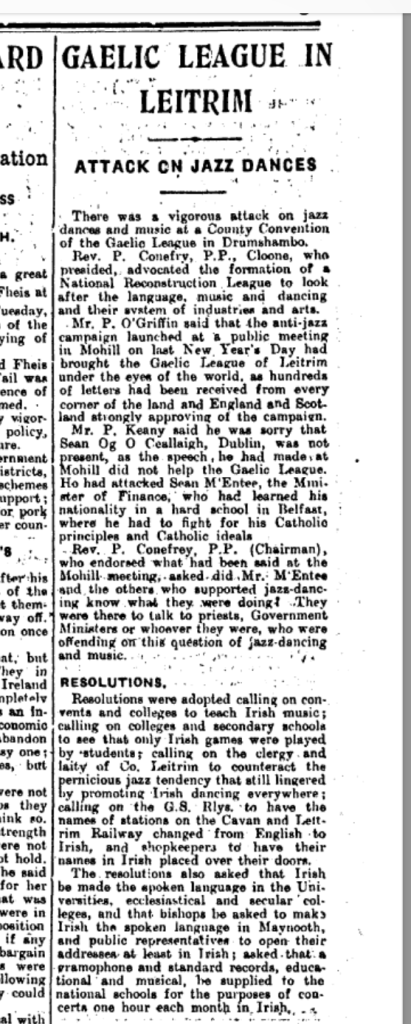
Down With Jazz
On New Year’s Day 1934, Mohill became the stage for one of the most striking cultural protests of the decade, when more than three thousand local people took part in a march that would help ignite a nationwide Anti-Jazz campaign. Accompanied by five marching bands, the procession moved through the town carrying banners and placards bearing slogans such as “Down with Jazz” and “Out with Paganism.”
Although the Anti-Jazz movement gradually lost momentum, it left a lasting mark in the form of the Public Dance Halls Act of 1935. The legislation introduced licensing requirements and imposed an 11pm curfew on dances. While seen by some as a victory, its impact was double-edged: the restrictions applied equally to traditional music, curtailing long-established social gatherings and informal music-making among neighbours.
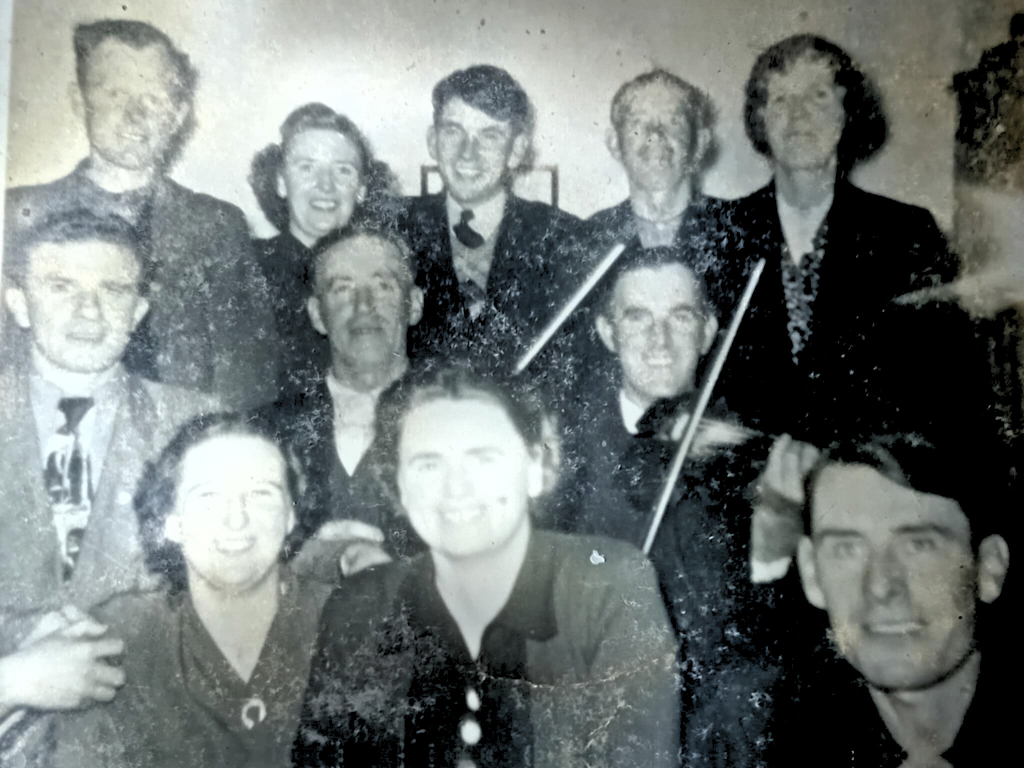
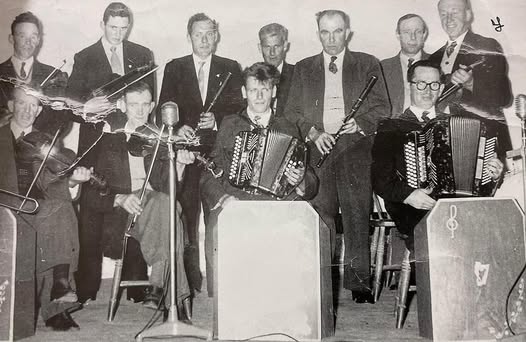
Despite this, music carried on at house weddings, crossroads dances, “joins” and local sprees. Musicians like Pat Stenson, Pee Fitzpatrick, Peter Collum, Sonny King and Willie Higgins kept the tunes flowing in and around Mohill.
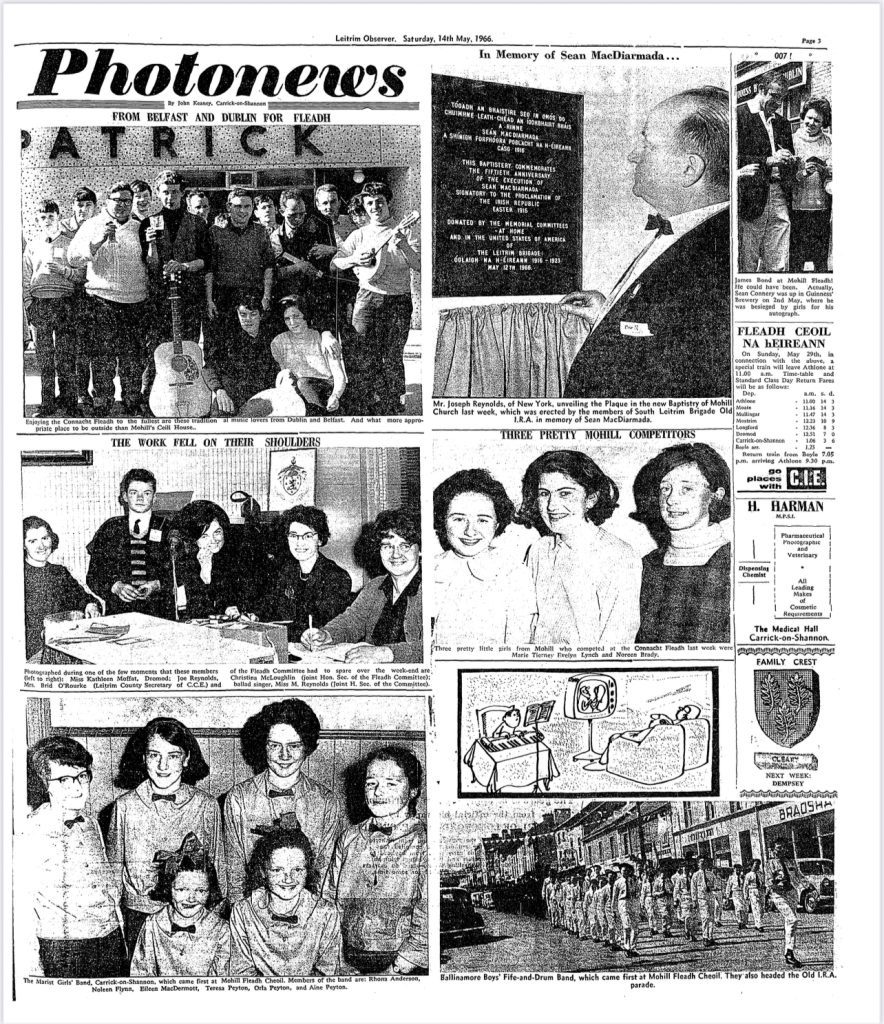
In the 1960s, Mae Reynolds Malone became one of Mohill’s cultural ambassadors, touring widely and leading the town’s hosting of its first county Fleadh in 1965 and the Connacht Fleadh in 1966. Now, sixty years later, Mohill prepares once again to welcome the Connacht Fleadh in 2026..