The Shannon has always carried more than water. It carried people, memory, music and ideas — flowing outwards from Leitrim to the wider world and back again.
Shannon Waters Flow brings together songs, stories, people and moments from a period when life in Leitrim was changing rapidly. Through archival material, music and local memory, the project traces how culture helped communities make sense of revolution, emigration, new technology and modern influences during the early decades of the Irish Free State.
Rather than telling one single story, this project opens many pathways. Each section below invites you to follow a thread — a song, a person, an event — and see where it leads.
Songs as Witness
In the years surrounding revolution and independence, songs became a way of recording events that shaped everyday life. Verses circulated locally, capturing grief, pride, resistance and remembrance in ways official records often could not.
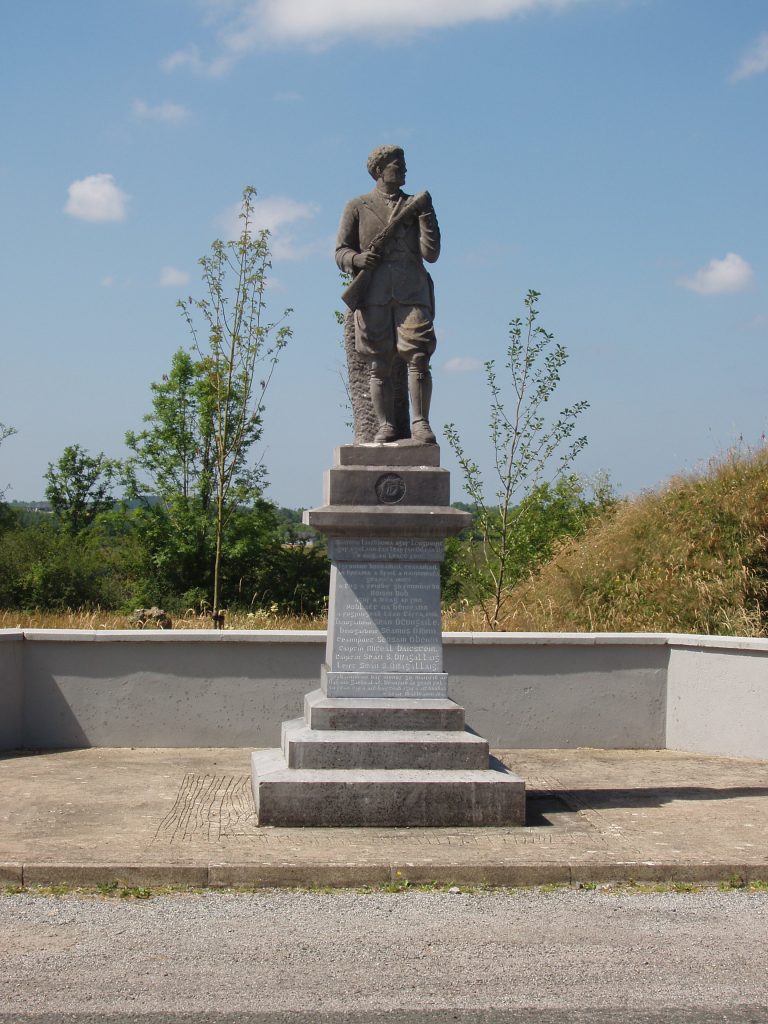
Here you can explore songs and stories connected to Sheemore & Selton Hill— local reactions to the ambushes and how they were remembered in song and oral tradition.
Selton Memorial
Women in the Story
Behind many of these songs lie the often-unspoken contributions of women — organising, supporting, carrying messages, preserving culture and sustaining families during turbulent years.
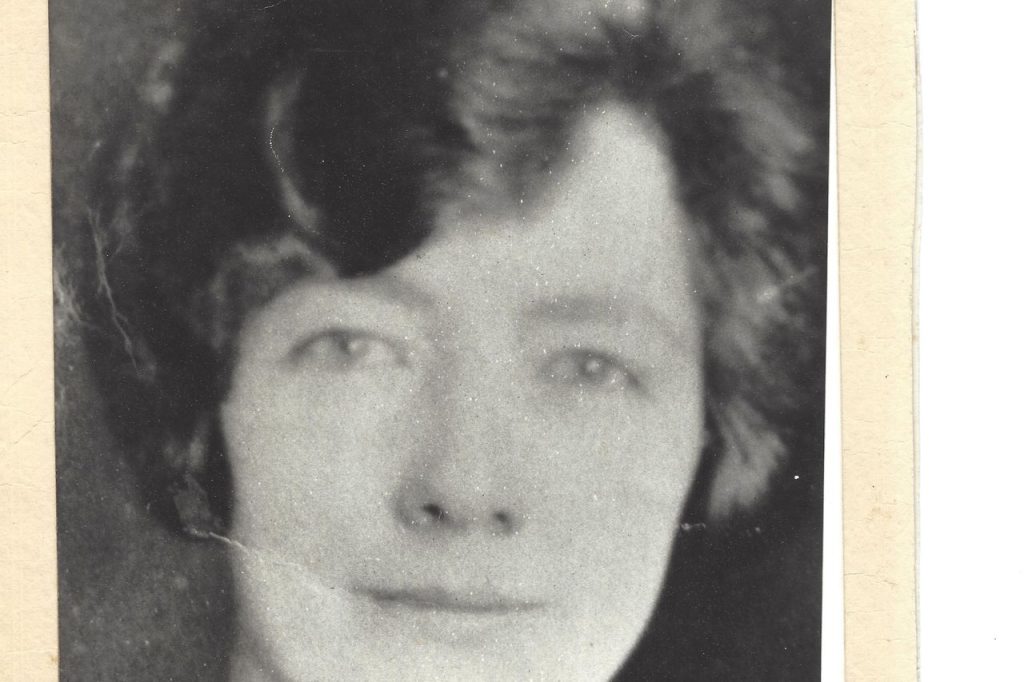
Lizzie Early (later Beirne) with thanks to the Beirne family for picture
This section brings together material relating to Cumann na mBan and women’s revolutionary involvement in Leitrim from songs, memories and local accounts that acknowledge women’s roles to cultural work carried out quietly behind the scenes.
Picture courtesy of Leitrim Observer
Revolution, Identity & Language
The struggle for political independence was closely tied to a wider fight for cultural identity. Songs and poetry from this period reflect debates around Irishness, language revival and the future direction of the new state.
Follow this pathway to explore:
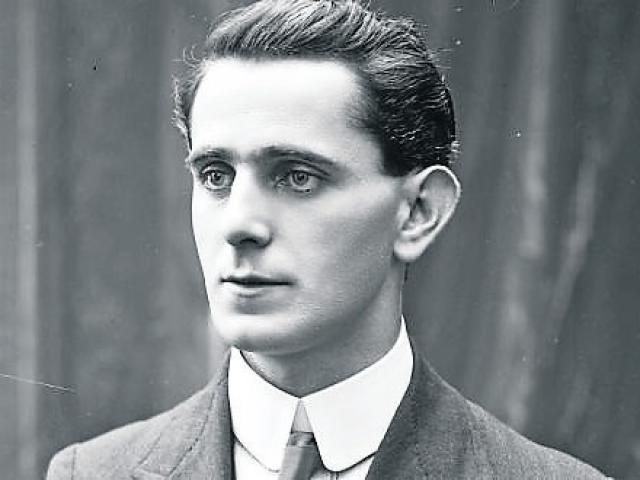
– References to Seán MacDiarmada in local memory and song – Cultural nationalism expressed through music and verse – Leitrim voices responding to national change
Composer of "Lovely Leitrim"
Across the Atlantic
As emigration reshaped Leitrim life, music travelled with those who left. Songs carried memory across the ocean, while new influences returned home through records, letters and visiting musicians.
This section traces:
– Emigrant song and the Leitrim diaspora – Early recordings and their impact with a focus on Leitrim women Margaret McNiff Locke, Nan Fitzpatrick and the “founding mother of the Irish recording industry in America”, Ellen O’ Byrne DeWitt – Music arriving back from America, like that of John McKenna and Michael Gallagher as well as recordings being made here by the likes of Killargue’s Joe Liddy
At the heart of this journey is Philip Fitzpatrick, born in Aughavas in 1892, whose poem Lovely Leitrim became one of the county’s most enduring songs — written in exile, sustained by memory.
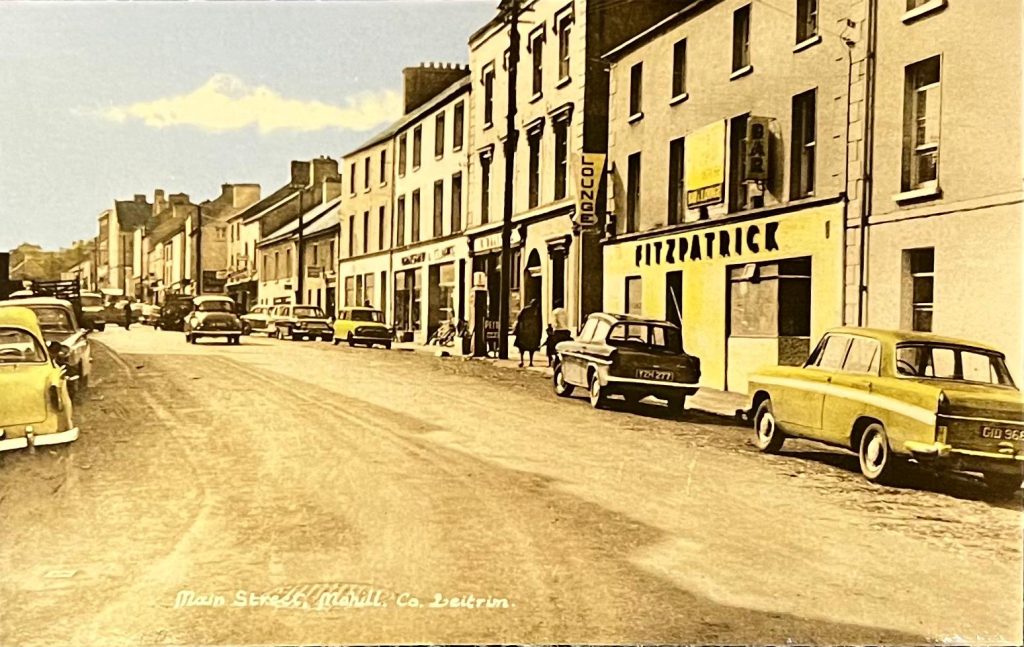
Mohill Postcard G Kiely Ballyshannon Donegal
New Sounds, New Tensions
The arrival of jazz, commercial dance music and modern entertainment challenged older traditions and sparked fierce debate.
Here you can explore:
– The deportation of Jimmy Gralton – The musical landscape of Mohilland its environs in the years leading up to and after the 1934 anti-jazz demonstration in Mohill, including Fr. Peter Conefrey‘s efforts to revive older traditions, language, songs and music. – Local reactions to modern music and social change
Songs, newspaper reports and personal recollections reveal how rural Leitrim negotiated these cultural crossroads.
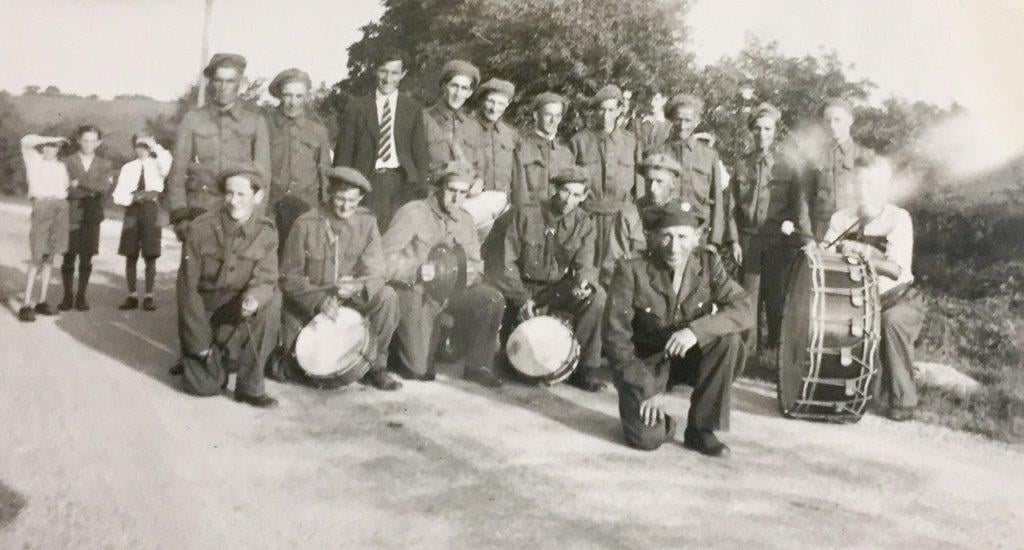
Glenfarne Fife & Drum Band
The Musicians Behind the Scenes
Not all cultural influence came from headline names. Much of Leitrim’s musical life depended on people whose contributions went largely undocumented.
This pathway highlights the quiet carriers of tradition:
Each section of Shannon Waters Flow can be explored on its own, or as part of a wider journey through Leitrim’s cultural past. Listen to the songs. Read the stories. Follow the paths the music travelled. Let the waters flow.